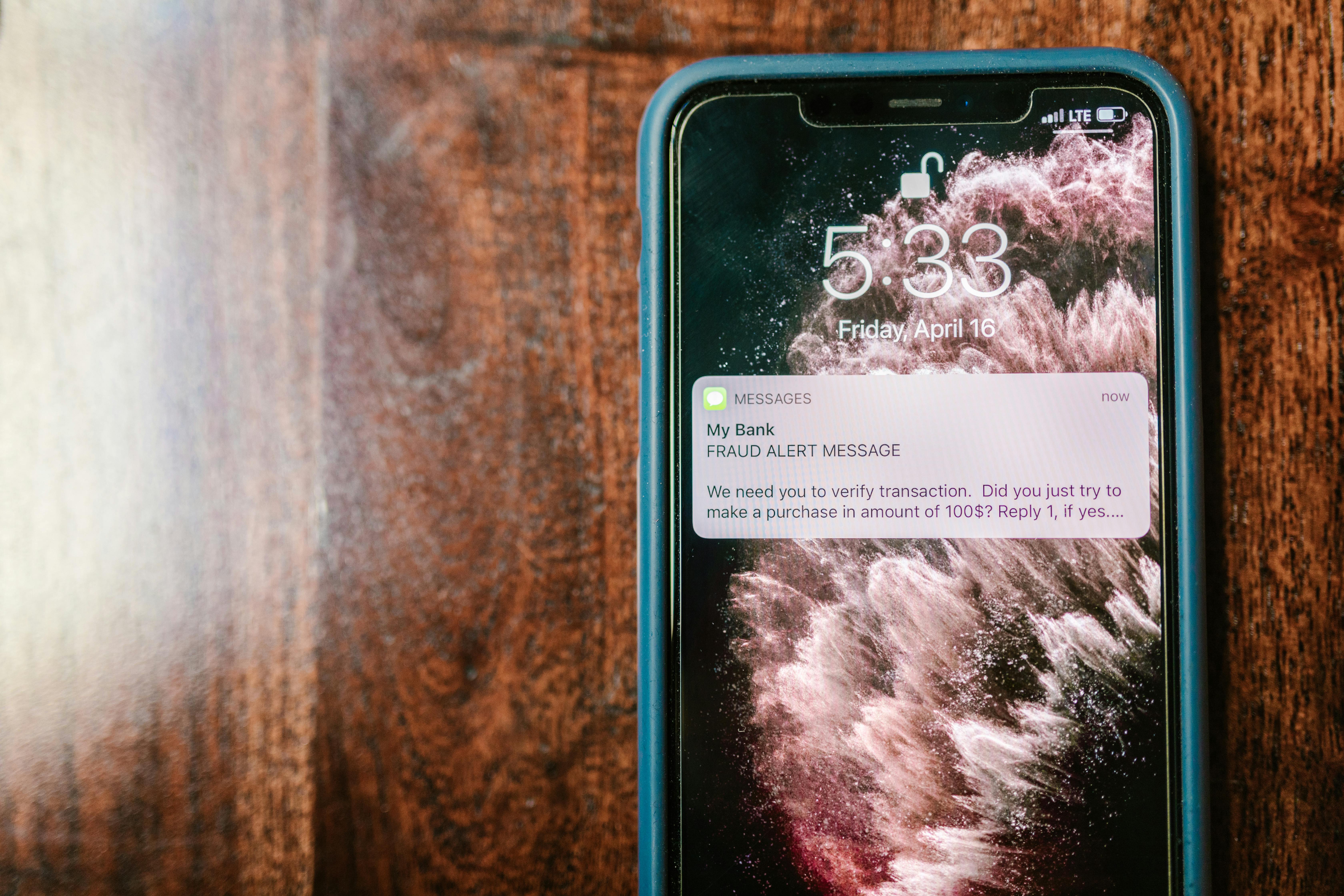
Chase Bank Scam Warning: How Fraudsters Drain Bank Accounts Fast
Chase Bank Scam: How Scammers Drain Accounts in Minutes and Why Banks Won’t Help
Imagine waking up to a text message from your bank asking:
“Did you authorize a $4,500 wire transfer?”
Your heart starts racing.
You immediately respond “No,” and seconds later your phone rings.
The caller ID says:
Chase Bank.
A calm and professional voice tells you:
“We detected fraudulent activity on your account. Don’t worry — we’re securing your funds now.”
Relieved, you follow their instructions.
Then they ask you to read back the verification code sent to your phone.
You do.
And within minutes, your bank account is emptied.
Unfortunately, this scenario is becoming increasingly common.
How These Bank Scams Work
Modern scammers do not rely on obvious tricks anymore.
They recreate the exact experience of speaking with a real bank fraud department.
Using technology and psychological tactics, they build trust quickly and create panic before victims have time to think clearly.
Common Scam Tactics Include:
Spoofed Caller ID
Scammers manipulate phone systems so calls appear to come directly from your bank’s legitimate number.
Professional Language
They often use the same scripts and terminology real fraud departments use.
Stolen Personal Information
Some scammers already possess partial banking or personal information from previous data breaches, making them sound believable.
Artificial Urgency
They create fear and pressure so victims react emotionally instead of cautiously.
Even financially educated individuals and business owners fall victim to these scams every day.
Why Banks Often Refuse Refunds
Many consumers assume banks will automatically reverse fraudulent transactions.
Unfortunately, wire transfer scams operate differently than traditional credit card fraud.
Credit Card Fraud Protections
If your credit card is compromised, federal law typically protects consumers from unauthorized charges.
Debit Card Protections
Electronic debit card fraud may also qualify for protection under Regulation E of the Electronic Fund Transfer Act.
Wire Transfers Are Different
Wire transfers fall under separate rules.
If the bank determines you “authorized” the transfer — even because you were manipulated by scammers — the bank may deny reimbursement.
This is why many scam victims are shocked to learn their claims are rejected.
How to Protect Yourself from Banking Scams
Because banks may not fully cover losses from wire fraud, prevention is critical.
1. Never Trust Urgent Banking Calls or Texts
If you receive suspicious alerts:
Hang up immediately
Visit your bank’s official website
Call the verified customer service number directly
Never rely on numbers provided through texts or incoming calls.
2. Never Share Verification Codes
Banks generally do not ask customers to read security or verification codes over the phone.
If someone requests:
One-time passwords
Authentication codes
Login confirmations
it is a major red flag.
3. Use App-Based Authentication
Whenever possible:
Enable two-factor authentication
Use authentication apps instead of SMS text codes
App-based security is typically harder for scammers to intercept.
4. Enable Real-Time Alerts
Set up notifications for:
Wire transfers
Large withdrawals
Login attempts
Account changes
Immediate alerts can help you respond faster if fraud occurs.
5. Report Fraud Quickly
If you suspect fraud:
Contact your bank immediately
File a report with the FBI’s Internet Crime Complaint Center (IC3)
Report the scam to the Federal Trade Commission (FTC)
Acting quickly improves the chances of limiting damage.
The Bigger Problem
Bank scams continue evolving because criminals understand human psychology.
They know how to:
Build trust
Create panic
Exploit urgency
Manipulate emotions
And unfortunately, consumer protections do not always keep up with modern fraud tactics.
That leaves consumers responsible for staying alert and protecting themselves.
Final Thoughts
Scammers are becoming more sophisticated, and a single moment of misplaced trust can lead to devastating financial losses.
The best defense is awareness.
Question unexpected calls. Verify everything independently. Never rush financial decisions under pressure.
In today’s digital world, skepticism is not paranoia — it is protection.