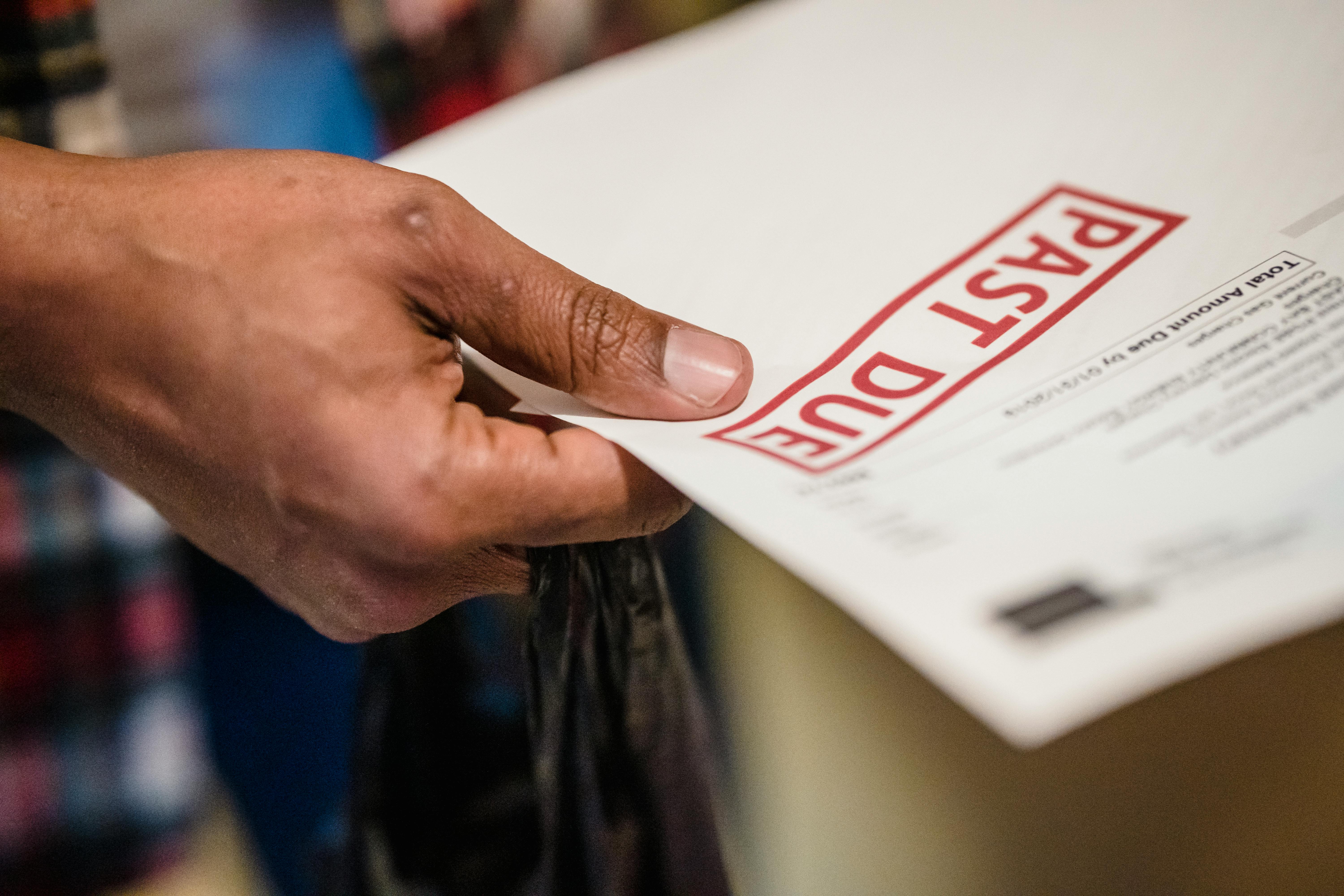
Delinquent Auto Loans: What Happens Before Repossession?
Delinquent Auto Loans: What You Need to Know Before Your Car Gets Repossessed
Falling behind on your car payments?
You are not alone.
But delinquent auto loans are serious, and repossession can happen much faster than many people realize.
For many consumers, a repossession feels like a mini-bankruptcy — financially damaging, emotionally stressful, and difficult to recover from if you are not prepared.
The good news?
People do recover.
But understanding how the process works can help you reduce the damage and make smarter decisions before things spiral out of control.
Repossession Can Happen Faster Than You Think
Many lenders no longer wait months before starting the repossession process.
In some states, lenders can legally begin repossession after just one missed payment.
That means:
No lengthy grace period
No final warning
No guaranteed second chances
One missed payment could eventually lead to:
Towing fees
Storage charges
Auction losses
Major credit damage
If you know you are struggling financially, waiting until the tow truck arrives is the worst thing you can do.
What to Do If You Can’t Make Your Payments
The most important step is simple:
Contact your lender immediately.
Avoiding the problem usually makes things worse.
Many lenders offer options such as:
Hardship programs
Payment deferrals
Temporary modifications
Alternative payment arrangements
Even if repossession seems unavoidable, proactive communication may help reduce additional costs and damage.
Consider a Voluntary Surrender
A voluntary surrender means returning the vehicle yourself instead of waiting for repossession.
While this does not prevent negative credit reporting, it may:
Reduce towing costs
Lower recovery fees
Simplify the process
Show some cooperation to the lender
Some lenders may even allow you to return the vehicle directly to a dealership or approved location.
How Repossession Costs Add Up
Many people assume repossession simply means losing the car.
Unfortunately, the financial consequences usually continue long afterward.
Here’s what often happens:
1. The Vehicle Is Repossessed
The lender adds:
Towing fees
Storage fees
Recovery costs
2. The Vehicle Is Sold at Auction
Repossessed vehicles often sell for far less than the remaining loan balance.
3. You Owe the Difference
This is called a deficiency balance.
Example:
Remaining loan balance: $50,000
Repossession costs: $450
Auction sale price: $38,000
You could still owe:
$12,450
Even though you no longer have the vehicle.
How Repossession Impacts Your Credit
Repossession can severely damage your credit profile.
Consumers often see:
Credit score drops of 100–200 points
Increased difficulty obtaining future loans
Higher interest rates
Long-term negative reporting
And lenders do not just look at your score.
They also review:
Account history
Repossession records
Outstanding deficiency balances
Even years later, a repossession can still affect lending decisions.
Can You Recover After a Repo?
Yes — recovery is possible.
Many people eventually rebuild their credit and finance vehicles again.
However, recovery often requires:
Time
Consistent payment history
Lower debt utilization
Credit rebuilding strategies
Some borrowers may initially need:
A co-signer
Higher down payments
Higher interest rates
The faster you begin rebuilding, the better your long-term outcome can be.
The Best Strategy: Avoid Repossession If Possible
If you are behind on payments, acting early gives you the best chance to minimize damage.
Options like:
Temporary payment plans
Loan modifications
Refinancing
Voluntary surrender
are often far better than a forced repossession.
The earlier you communicate with your lender, the more options you may have available.
Final Thoughts
Delinquent auto loans can quickly turn into a financial crisis if ignored.
Repossession affects more than just transportation — it can damage your credit, create long-term debt, and make future financing difficult.
But understanding the process puts you in a stronger position to respond strategically.
If you are struggling:
Stay proactive
Communicate with your lender
Understand your rights
Explore your options early
A difficult financial situation today does not have to define your future.